What Is a Bone Density Test (DEXA Scan)?
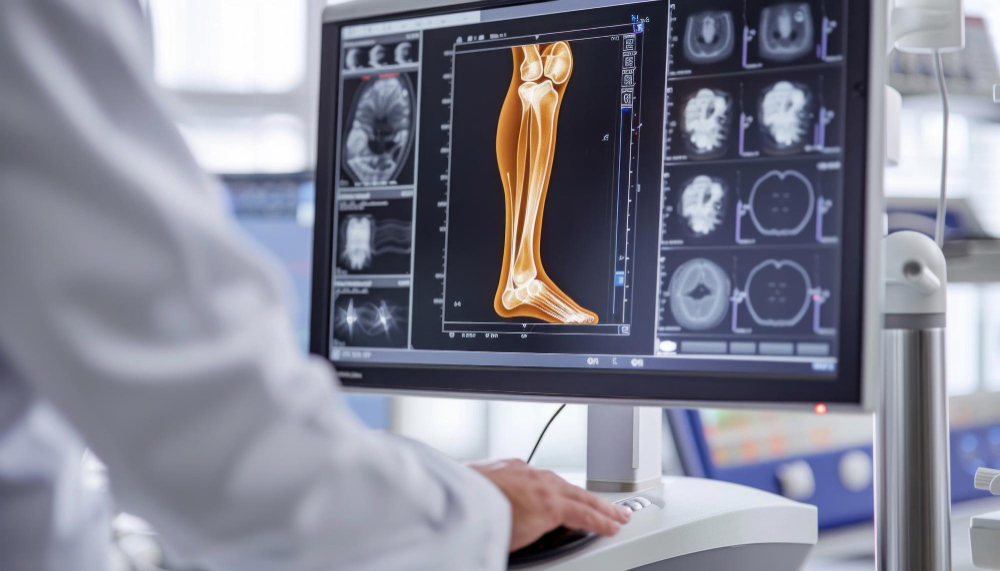
A bone density test, also called a DEXA scan, helps check how strong your bones are. This test uses a special X-ray to measure bone thickness. Doctors use it to find out if your bones are healthy or if you might have a problem like osteoporosis. Because bone health assessment is important for everyone, this test can help spot weak bones early. As a result, you can take steps to protect your health.
Why Is Bone Density Testing Important?
Many people lose bone strength as they age. However, you may not notice any signs until a bone breaks. For this reason, a bone density test is key for early osteoporosis screening. It can show if you have low bone mass before you get hurt. According to the CDC, early testing helps prevent fractures and keeps you active longer. In addition, knowing your bone density helps your doctor plan the right care for you.
Who Should Get a Bone Density Test?
Not everyone needs a bone density test right away. Still, some people have a higher risk of weak bones. The World Health Organization and many doctors suggest testing for:
If you are unsure, you can ask your doctor or search for a “bone density test near me” to find local options.
How Does the DEXA Scan Work?
The DEXA scan procedure is simple and quick. It uses two low-dose X-ray beams to check bone thickness. While one beam passes through bone, the other measures how much is absorbed. This way, the scan gives a clear picture of your bone density. Because the test is painless, most people feel comfortable during the scan. The scan usually focuses on your hip and spine, since these areas show bone loss first.
What to Expect During the Test
Before your DEXA scan, you do not need to do much to prepare. However, you may be asked to avoid calcium supplements for 24 hours. When you arrive, you will lie on a padded table. The scanner moves over your body, but you do not feel anything. The test takes about 10 to 20 minutes. After the scan, you can return to your normal activities right away.
Understanding Your Bone Density Results
After your bone density measurement, you will get a score called a T-score. This number compares your bone strength to that of a healthy young adult. For example, a T-score above -1 is normal. A score between -1 and -2.5 means you have low bone mass (osteopenia). A score below -2.5 means osteoporosis. Your doctor will explain what your score means and what steps you should take next. Sometimes, a Z-score is also given, which compares your bones to others your age.
Risks and Safety of DEXA Scans
Although a DEXA scan uses X-rays, the amount of radiation is very low. In fact, it is much less than a regular chest X-ray. For most people, the test is very safe. However, you should tell your doctor if you are pregnant or think you might be. Because the scan is non-invasive, there is no pain or recovery time needed. According to the CDC, the benefits of bone health assessment far outweigh the small risks.
Tips for Maintaining Healthy Bones
Keeping your bones strong is important at every age. Even after a bone density test, you can take steps to protect your bone health. For example, you can:
With these habits, you can help keep your bones healthy and lower your risk of fractures.