
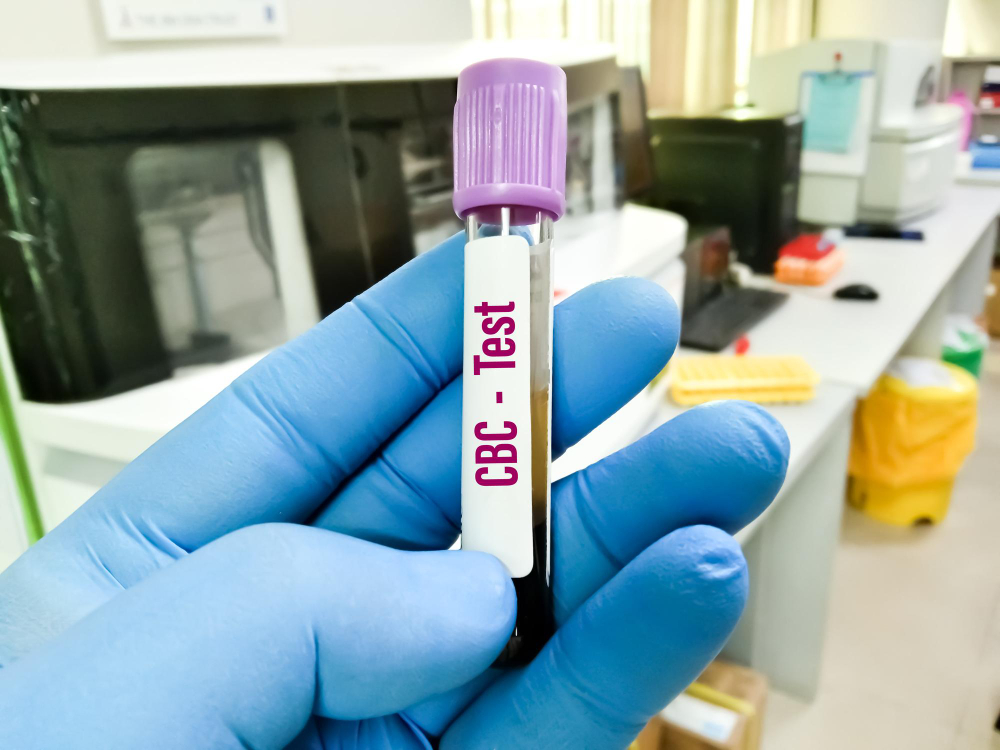
What Is a Complete Blood Count (CBC) Test?
A complete blood count test, often called a CBC, is a simple blood test. It checks the levels of different cells in your blood. For example, it measures red blood cells, white blood cells, and platelets. Many doctors use this test to get a quick look at your overall health. In fact, the CBC blood report is one of the most common lab tests done in clinics and hospitals.
Why Is a CBC Test Important?
Because your blood carries oxygen and fights infection, it is important to know if your blood cells are healthy. With a CBC test, doctors can spot problems early. For instance, the test can help find anemia, infections, or even some cancers. Additionally, it can show if your body is reacting to medicines or other treatments.
Key Components of a CBC Report
When you get your CBC blood report, you will see several key parts. Each part gives clues about your blood health indicators. Here are the main components:
Each of these parts can show if your blood is healthy or if there might be a problem.
Common Reasons for Ordering a CBC Test
Doctors often order a complete blood count test for many reasons. Sometimes, it is part of a regular check-up. Other times, it helps find the cause of symptoms like tiredness or fever. In addition, a CBC test may be done before surgery or to monitor certain health conditions. Here are some common reasons:
How to Prepare for a CBC Test
Usually, you do not need to do much to get ready for a CBC test. In most cases, you can eat and drink as usual. However, sometimes your doctor may ask you to fast or avoid certain medicines. For example, some drugs can affect your blood cells. Always check with your healthcare provider before the test. If you are getting a CBC test in your city or region, local clinics can guide you on any special steps.
Understanding Your CBC Results: Normal Ranges and What They Mean
After your blood is tested, you will get a CBC blood report. This report lists your levels and the normal ranges. Normal ranges can vary by age, sex, and lab. Here are some typical values for adults (according to CDC and WHO):
If your numbers are outside these ranges, it does not always mean you are sick. Sometimes, small changes are normal. Still, your doctor will help you understand what your CBC results mean for your health.
Factors That Can Affect CBC Results
Many things can change your CBC results. For example, being sick or stressed can affect your blood cells. In addition, some medicines, such as antibiotics or chemotherapy, may change your counts. Even things like pregnancy or heavy exercise can make a difference. Because of this, it is important to tell your doctor about any recent changes in your health or lifestyle.
When to Discuss CBC Findings With Your Doctor
Sometimes, your CBC blood report may show numbers outside the normal range. However, this does not always mean there is a serious problem. For instance, a mild change could be due to a recent cold or minor infection. If you have symptoms like tiredness, fever, or easy bruising, you should talk to your doctor. Also, if your doctor orders more tests or wants to see you again, follow their advice. Understanding CBC results can help you and your doctor make the best choices for your health.